
STUDENT OPINION
India and South Korea’s OTT Strategies in 4K

Aryaman Das - MPP 2027
Published on : Apr 22, 2026
India and South Korea’s OTT Strategies in 4K
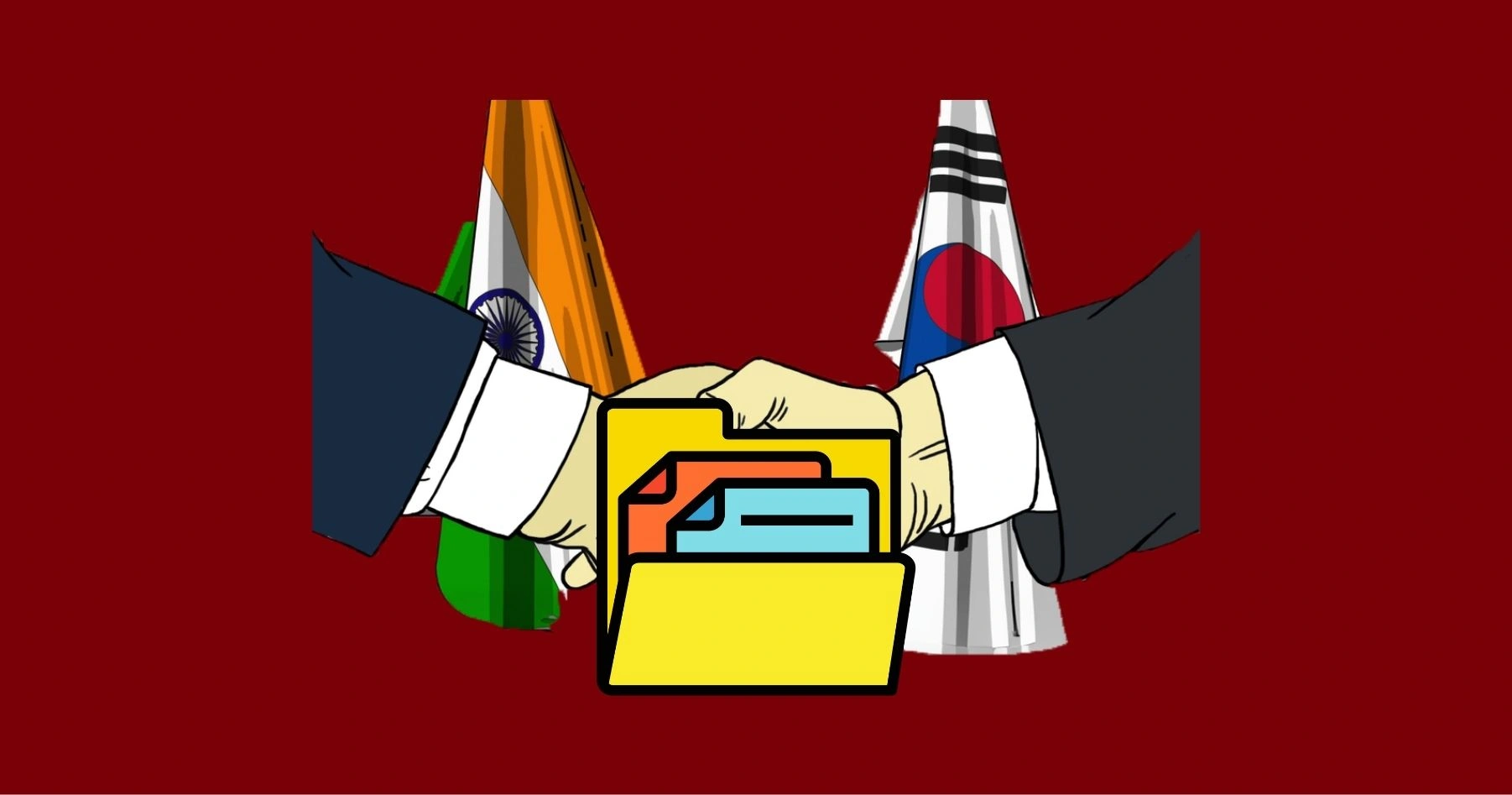
The concept of soft power, coined by Joseph Nye Jr., defines a nation's capacity to influence global affairs through cultural attraction and ideological co-option rather than military or economic coercion. In the contemporary media landscape, this form of influence has been fundamentally reshaped by Over-the-Top (OTT) platforms, which serve as direct conduits for cultural narratives into homes worldwide. The rise of South Korea's Hallyu, or "Korean Wave," provides a compelling case study of a nation's deliberate and successful mobilization of cultural resources for diplomatic and economic gain. A strategic national effort since the 1990s, the government-backed promotion of K-dramas, K-pop, and films has given South Korea an undeniable advantage in the realm of screen diplomacy. However, a comparative analysis of South Korea's assertive strategy with India's approach reveals a stark and troubling contrast. While India, a country with a rich history of cultural exports and a vast global diaspora, has immense soft power potential, its media landscape is currently struggling to maintain influence.
India's uncoordinated and fragmented engagement with OTT platforms has led to a paradoxical decline in its cultural soft power, particularly as foreign content to a worldwide audience, most notably when compared with content from South Korea which has gained significant traction in the market foreign to itself. This disparity underscores a critical challenge: without a cohesive, state-level strategy to leverage its cultural significance in the digital age, India risks a profound erosion of its diplomatic value and its narrative-making power on the global stage.
The Strategic Orchestration of Cultural Capital: Korea's Ascent
The ascent of Hallyu as a preeminent force in screen diplomacy is a direct result of its ability to cultivate deep emotional affinity among global audiences. K-dramas, in particular, have become a major sympathetic draw, not only driving millions of international visitors to South Korea for cultural tourism but also inspiring interest in the nation's lifestyle, language, and products. This phenomenon of screen-to-culture spillover translates directly into tangible economic and diplomatic gains. Moreover, strategic partnerships with global platforms like Netflix have amplified this influence. Studies indicate that Netflix's substantial investments in Korean content ensure its consistent placement on global "Top 10" lists, dramatically increasing its discoverability and audience reach. This proactive, government-backed synergy reinforces streaming platforms as a powerful soft-power apparatus.
In stark contrast, India's OTT growth has been largely market-driven, lacking the kind of cohesive, state-led cultural diplomacy that reinforces the impact of Indian content on a global scale. As a result, while Indian series remain strong domestically, they have yet to generate comparable levels of global affinity and cultural traction.
The Paradox of Promise: India’s Fading Cinematic Influence
India's decline in global soft power on OTT platforms stands in sharp contrast to Bollywood’s previous era of cinematic prominence. As recently as 2008, then-Prime Minister Manmohan Singh explicitly highlighted Bollywood as a key instrument of diplomatic leverage. The international acclaim garnered by actors like Amitabh Bachchan—from being voted the "Greatest Star of the Millennium" by the BBC to receiving France’s prestigious Legion of Honour—symbolized a unified and potent global brand. While subsequent films like Aamir Khan's Dangal and Secret Superstar achieved unprecedented breakthroughs in specific foreign markets, they represent isolated successes rather than a consistent, continuous export brand that can consistently shape global perceptions.
This fragmentation is exacerbated by the challenges facing India's OTT sector. A crucial problem lies in the tension between creative freedom and regulatory oversight. Since the enactment of the 2021 IT Rules for digital media, high-profile controversies, such as that surrounding the series Tandav, have led to legal pressures and a chilling effect on creators. This environment encourages a retreat to safer, formula-driven content, inhibiting the bold, culturally specific narratives that often become a country's global "calling card." Consequently, while Indian platforms produce a vast volume of shows, their creative hesitation and a tendency toward hyper-local, formulaic content limit their ability to resonate with and build cultural affinity among a wider international audience.
Forging a Path Forward: A Call for Strategic Renewal
To revitalize its soft power in the digital age, India’s media strategy requires a fundamental and collaborative reorientation. The first critical step is to acknowledge that while policy and regulation are necessary for oversight, they cannot be the sole drivers of compelling content. True global resonance is born from the ability of creators to take risks, a freedom that must be enabled and backed by the state. This requires the establishment of a state-backed creative ecosystem, where government policy actively incentivizes bold and innovative storytelling through subsidies and tax benefits, mirroring the strategic support that fueled the Korean Wave. Concurrently, a new paradigm for creative freedom must be fostered, one that protects artists from legal and political pressures, thereby liberating them to craft globally resonant narratives—including those that explore new genres like sci-fi, fantasy, and complex human dramas—that can serve as powerful "calling cards" for the nation. This synergy between government, platforms, and creators would enable the production of stories that are not just culturally authentic but also universally compelling, transforming the vast quantity of Indian content into a strategically designed force for global cultural influence.
*The Kautilya School of Public Policy (KSPP) takes no institutional positions. The views and opinions expressed in this article are solely those of the author(s) and do not reflect the views or positions of KSPP.
Rudraram, Patancheru Mandal
Hyderabad, Telangana 502329