
STUDENT OPINION
It’s high time to end the P-5 Monopoly

Shambhu Vibha - Student Kautilya
Published on : Dec 25, 2025
In 1945, the United Nations was established with the objective to prevent another world war. In 2025, the same organisation is unable to prevent itself from sliding into irrelevance on a global stage. Even the UN Secretary-General, Antonio Guterres stated that the Security Council, the most powerful organ of the UN, is an “outdated, unfair and ineffective system”. The diluted approach adopted by the UNSC in addressing the most pressing conflicts of modern times - Ukraine, Sudan, Gaza are indications of an old institution struggling with irreparable structural flaws and caged by a “one size fits all” approach from which the contemporary world systems have moved on decades ago.
UNSC: STRUCTURAL AND FUNCTIONAL CRACKS
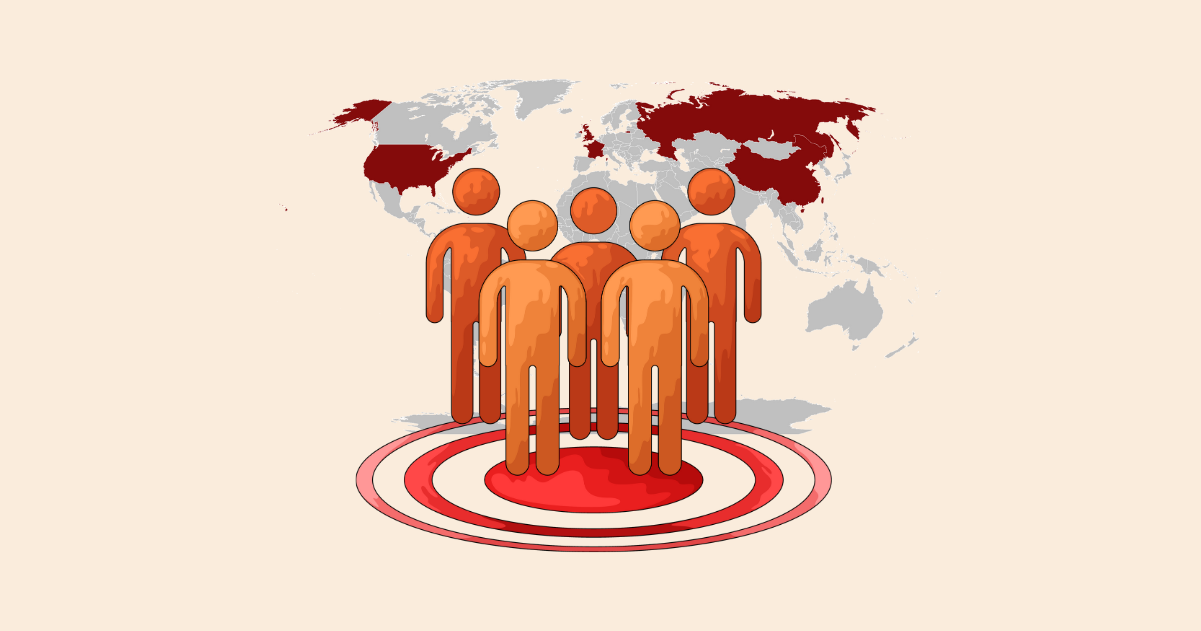
The UNSC is currently in need of immediate reforms out of all the major UN bodies. Originally comprising 15 member states, of which only five developed nations (United States of America, United Kingdom, France, Russia, China) have the permanent membership and the ten nations included as non-permanent members, it paints a picture of power centred heavily amongst the West, which is the norm seen in geopolitics across ages.
But why is a discussion about the composition of UNSC met with sharp stinging criticism?
The P-5 states hold an exclusive provision called veto power, which bestows each state to block a resolution regardless of the majority support. The veto power has often been used indiscriminately, giving primacy to narrow domestic considerations rather than global interests, and has been executed in the form of blocking crucial resolutions and hindering the Council’s ability to respond effectively to immediate global crises. From the usage of veto by US over countless occasions, more recently in the Israel-Gaza conflict scrapping the “immediate, unconditional and permanent ceasefire” in Gaza hindering the provision of humanitarian relief, Russia vesting its power to block the Council resolution calling for the immediate withdrawal of the Russian troops from the Ukrainian land in 2022, it is clear that veto is considered as an iron whip, wielded left, right, and center by the “Powerful Five” to fulfill their merry interests, which leaves the other nation states deprived of an equal say in determining a legitimate course of action on widespread issues.
It is crucial to understand that the opposition against the current UNSC structure is not only an issue about the centralisation of power, it even includes representation, or to point out, the lack of it. Initially representing the military and economic powers of the time, the P5 now contends with changes in economically powerful nations. Take Germany and Japan, which are among the major contributors to the UN and constitute as key players in the global economy, yet lack formal veto power within the UNSC, or even Zambia, which provided more troops and financial aid to the UN than US, Germany and Japan combined in 1999. This hinders equal representation, with the two largest continents sharing only five seats whereas the European countries, despite having a smaller population, hold three seats distributed among smaller regions, illustrating the over-representation of the West even with the emergence of demographic, economic and military powerhouses in the Global East and South.
Alongside the misuse of veto which has often led to tussles between the Security Council and General Assembly, essentially paralysing the execution of reforms; UNSC is not utilising the skills in which they are adept at: imposing effective sanctions and conducting peace operations, with no new large-scale peace operations authorised since 2014. These seemingly minute factors have impacted the credibility and effectiveness of UNSC. This structural paralysis also explains why India’s candidature for permanent membership has gained renewed urgency.
ANY HOPE LEFT FOR UNSC? INDIA TO PLAY A ROLE
The disconnect between the 21st century global realities with an institution having its roots firmly supplanted in the 20th century is huge and painfully obvious even to the common man. The question remains: can UNSC turn the tables around, undergo a major revival and emerge like a phoenix from the ashes? One half of their key for survival lies in the hands of the P-5 nations; the other half will be their willingness to drop that key, end the decades-old gatekeeping and make room for potential new members.
In recent years, the demand for the expansion of composition in UNSC has intensified (example being The Uniting for Consensus (UFC) Group), aiming to ensure diverse representation and equitable maintenance of balance of power. Amongst the diverse pool of nations eyeing for the coveted chair, India stands out as a unique and indispensable candidate. As one of the founding members of the UN, India’s development into a significant global powerhouse and a vocal representative of the Global South has been a gradual process, marked by growing economic prowess, military capabilities, and diplomatic influence. Since Independence, India has been in the pursuit of a permanent seat, losing a golden opportunity during the Prime Ministership of Jawaharlal Nehru. Nevertheless, India has been steadfast, believing that its constructive role in UN peacekeeping and its status as the world's largest democracy make it a worthy candidate for permanent membership, currently being comfortably backed by worldwide support from various nations and political representatives like the G-4 nations grouping, L-69 grouping and ASEAN to name a few.
How will India contribute to the UNSC reforms? One major way is through its inclusive leadership. India’s G20 presidency will serve as a test of whether it has the potential to unite a fragmented summit. With its rising influence through its policy of multi-alignment and its sharing of diplomatic ties with numerous nations, India can act as a crucial bridge between the Global North and South, sowing the seeds of cordial ties and strong rapport to reduce the divide. In short, India offers a practical pathway for recalibrating the Council’s priorities beyond great-power rivalry. However, potential challenges remain, as India continues to acquire more power and influence, it might start to retaliate if there is any challenge towards its status quo. India’s major obstacle currently is China and its power politics as a rival in South Asia and a current P-5 member in the UNSC, thus creating additional tensions within and outside the Council.
The Security Council, once imagined as the bedrock for international peace and security, now stands at a crossroads. Without meaningful reform, the sun risks setting on an institution designed to prevent global conflict, not be eclipsed by it. Its relevance will depend on whether it can evolve beyond an outdated framework or fade into a symbol of missed opportunities.
*The Kautilya School of Public Policy (KSPP) takes no institutional positions. The views and opinions expressed in this article are solely those of the author(s) and do not reflect the views or positions of KSPP.
Rudraram, Patancheru Mandal
Hyderabad, Telangana 502329