
KAUTILYA OPINION
When Time Becomes Social Capital
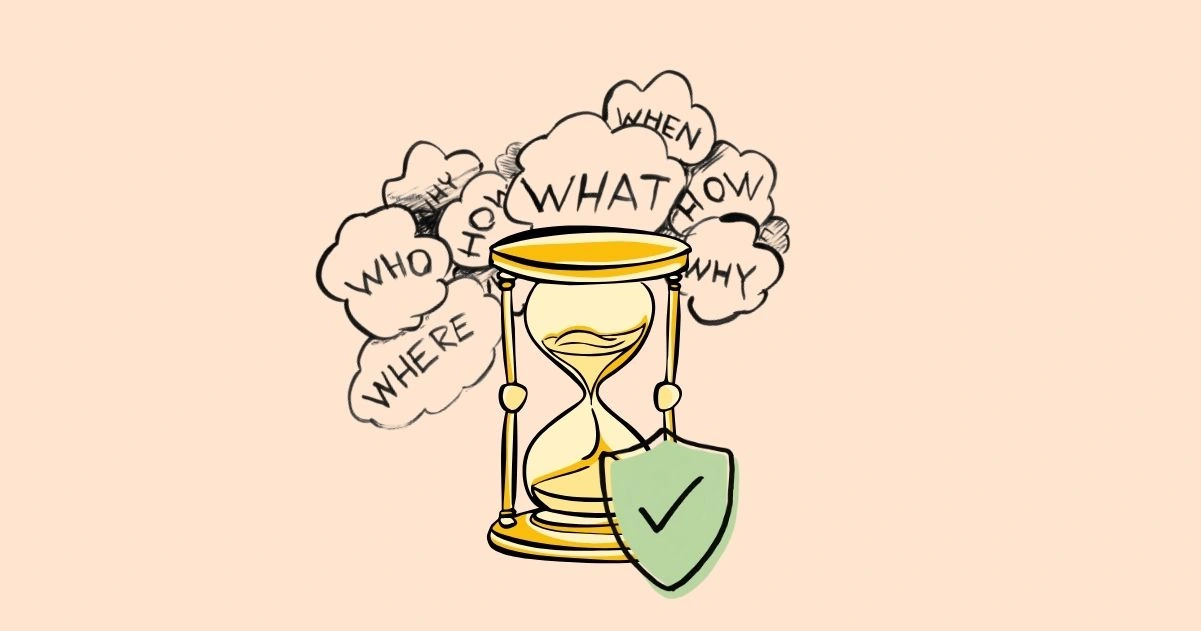

Yuvasri S, Academic Associate, Kautilya
Published on : Jul 20, 2026
When we think about social status, we tend to focus on the things that people own and eventually on the money they spend: a luxury car, grand villa, designer clothing or even an extravagant wedding. Economists have largely reinforced this view, studying how people use consumption to signal status, success or their place in the social hierarchy.
But is status really just about money?
Social status essentially refers to the position an individual or a household occupies within a social hierarchy. Some aspects of these positions are ascribed, i.e., we inherit them at birth. The family that we are born into, our caste, gender, religion, etc., shapes how society perceives us well before we make our own choices. There are other aspects that are achieved through personal effort, such as education, occupation, and income, which can alter our status throughout our lives. Together, these shape not only our opportunities but also the expectations placed upon us. Yet what we often fail to see is that status is rarely static. Whether inherited or achieved, social status has to be maintained. Relationships must be nurtured, social obligations fulfilled and one’s own place in the community continually reaffirmed. Simply put, status is not just something we have, but constantly reproduce through our everyday lives.
This leads to another question: if status is something we maintain, what exactly do we invest in to maintain it?
Money is, of course, one answer. Thorstein Veblen’s famous idea of conspicuous consumption argued that people often consume not only for utility but also to showcase their wealth and social standing. Since then, status has been observed through visible forms of expenditure communication, showing who we are or who we want to be. But this is only a part of the story. Imagine a family travelling for hours to attend a wedding, or neighbours who put their time into organising local events; these do not generate direct income, but people still do it. Why? None of these activities generates income, yet they require so much planning, commitment and above all, time.
Time, unlike money, is a resource every person possesses in equal measure. Every day offers twenty-four hours, no more and no less. But the way we spend those hours is anything but equal. Maybe these activities are doing something that we rarely pay attention to. They are not merely moments of leisure or recreation. They help build relationships, reinforce trust, maintain community ties, and demonstrate continued participation in a shared social world. They are investments not of money, but of time.
Feminist scholar Hanna Papanek referred to this idea as status production. Rather than focusing on how people display status, status production asks how households actively create and sustain it. The emphasis shifts from visible consumption to the everyday practices that maintain a family's social standing. Attending community gatherings, participating in cultural events, maintaining kinship networks, or engaging in religious life are not always simply personal choices or hobbies. They can also be ways of fulfilling social expectations and reaffirming one's place within a community.
This distinction between status signalling and status production is subtle but important. Buying an expensive car may communicate wealth. Maintaining community relationships communicates reliability, belonging, commitment, or respectability. Both shape social standing, but they do so through very different means.
Looking at status through the lens of time also broadens our understanding of inequality. Not everyone has the same freedom to invest their time in maintaining social relationships. Paid work, caregiving responsibilities, household labour, and other obligations all compete for the same twenty-four hours. The ability to participate in community life is therefore not simply a matter of personal preference; it is shaped by the social and economic constraints people face. Time itself becomes an unequally available resource.
This perspective also encourages us to rethink activities that are often dismissed as "non-economic." Traditional economic analysis has become increasingly successful at recognising unpaid work, care work, and domestic labour as productive uses of time. Yet many activities that sustain social life continue to be classified as leisure or personal choice, even when they involve strong social obligations and generate important social returns.
Perhaps this is because economics has long been better at measuring what can be bought than what must be sustained. By paying attention to how people invest their time, we begin to see a richer picture of how societies function. Social status is not built solely through consumption. It is also quietly produced through everyday acts of participation, reciprocity, and belonging.
Looking at status through the lens of time also reveals another important dimension: who bears the responsibility of producing it?
Status-producing activities are often imagined as gender-neutral. After all, everyone attends weddings, participates in festivals, maintains family ties or engages in community life. Yet the time devoted to these activities is far from evenly distributed. Data from India's 2024 Time Use Survey, shows that once we account for the less visible forms of status production, such as childcare and unpaid domestic work that sustain a household's social position over time, women spend, on average, nearly 51 minutes more each day on status-producing activities than men.
This finding invites us to rethink a familiar question in economics: why do women continue to spend less time in paid employment than men, even as educational attainment has improved? One explanation has long pointed to status considerations within households. Looking at time use adds another layer to this discussion. It suggests that status is not simply an abstract preference shaping decisions; it also requires labour. Much of that labour is carried out through the everyday work of maintaining families, relationships, and communities.
Recognising this labour also changes how we think about inequality. The capacity to build and sustain social status is not determined only by income or education, but also by the time people are able or expected to invest. Maybe this is where the conversation on status needs to move next. If economics has taught us to ask what people spend their money on, it may also be time to ask what people spend their time on. In those everyday choices, and in the constraints that shape them, lies another story about how status is created, maintained, and reproduced across generations.
*The Kautilya School of Public Policy (KSPP) takes no institutional positions. The views and opinions expressed in this article are solely those of the author(s) and do not reflect the views or positions of KSPP.
Rudraram, Patancheru Mandal
Hyderabad, Telangana 502329