Kautilya colluquy 2024

About

The Kautilya School of Public Policy at GITAM University, Hyderabad, is proud to announce the second annual Kautilya Colloquy, a student-led initiative, scheduled for September 21st, 2024. The Colloquy will feature research presentations and panel discussions centred around four subthemes: Digital Governance, Climate Change & ESG, Women in Public Policy, and Navigating the Future of Finance. During the research paper presentations, researchers and practitioners will share insights, addressing key policy challenges and proposing inclusive policy solutions. The panel discussions on these four subthemes will host experts, including renowned academicians, senior government officials, industry stalwarts, and policy practitioners. These panels will offer diverse perspectives and explore pathways for inclusive policies in India across digital governance, climate change, women in public policy, and the future of finance.

Summary

Kautilya Colloquy 2024

Kautilya Colloquy 2024 was a significant success, bringing together a diverse group of experts, scholars, and policymakers to discuss pressing global policy challenges. The event featured insightful panel discussions and thought provoking paper presentations on four key themes: Climate and ESG, Digital Governance, Future of Finance, and Women in Public Policy. The colloquy aimed to contribute to informed policymaking and sustainable development by fostering meaningful dialogue and sharing innovative ideas

  • 1. Panel Discussion: Navigating the Future of Finance

    Moderator: Dr. Amrendra Pandey, Assistant Dean (Research) at Kautilya

    Panelists: Mr. Kaushal Mahan, Ms. Sharmila Chavaly, and Dr. Rathin Roy

    Dr. Amrendra Pandey, colloquy
    Opening Remarks:

    Dr. Pandey introduced the session by addressing the significance of climate finance and mitigation policies, particularly in the context of India’s role in international negotiations. He emphasized that India's obligations should be proportional to its historical emissions and responsibilities. Dr. Pandey also highlighted that the discussion would explore India's progress in navigating challenges related to development, regulatory hurdles, and microeconomic pressures.

    Dr. Rathin Roy

    Distinguished Fellow, Kautilya School of Public Policy (KSPP).

    Dr. Roy emphasized that India is uniquely positioned to complete its developmental transformation without heavily relying on fossil fuels—a challenge no other nation has faced. He underscored the importance of India determining the timing and manner of phasing out coal from its energy mix to drive sustainable economic growth.
    He also highlighted the global imbalance between capital-rich Western nations with aging populations and capital-poor, younger populations in Asia and Africa. To attract private investments, Dr. Roy stressed the need for India to reduce investment risks and enhance policy reliability.
    In closing, Dr. Roy advocated for strategically framing climate finance to align with India’s political and economic realities, emphasizing that net-zero emissions should be viewed as a strategic objective rather than a rigid policy target.

    Ms. Sharmila Chavaly

    Retired IRAS, Independent Non-Executive Director, Genus Power Infrastructures Ltd.

    Ms. Chavaly highlighted India's strained public finances, emphasizing that philanthropy and grants alone are insufficient to meet the country’s financial needs. She discussed the importance of attracting private finance and highlighted the risks perceived by external investors, particularly related to exchange rate fluctuations.
    Ms. Chavaly pointed out that inadequate project preparation, especially for infrastructure projects with environmental impacts, is a significant barrier. She shared examples of how the government has started de-risking investments, such as the involvement of Canadian pension funds in Indian infrastructure projects.
    She also stressed the importance of building expertise in climate finance and suggested leveraging artificial intelligence (AI) to learn from global best practices. Ms. Chavaly cited JFK Airport’s proactive design considerations for extreme weather events as an example of the foresight required in India’s infrastructure planning.

    Mr. Kaushal Mahan

    Senior Vice President, Chase India

    Mr. Mahan emphasized the integration of blended finance and green finance into a broader climate transition strategy, noting that the government is the largest buyer of green infrastructure in India.

    Key Takeaway:

    The discussion underscored the importance of balancing economic growth with environmental sustainability, attracting private investment, and leveraging technology and innovation to address India’s climate finance challenges.

  • 2. Panel Discussion: Digital Governance

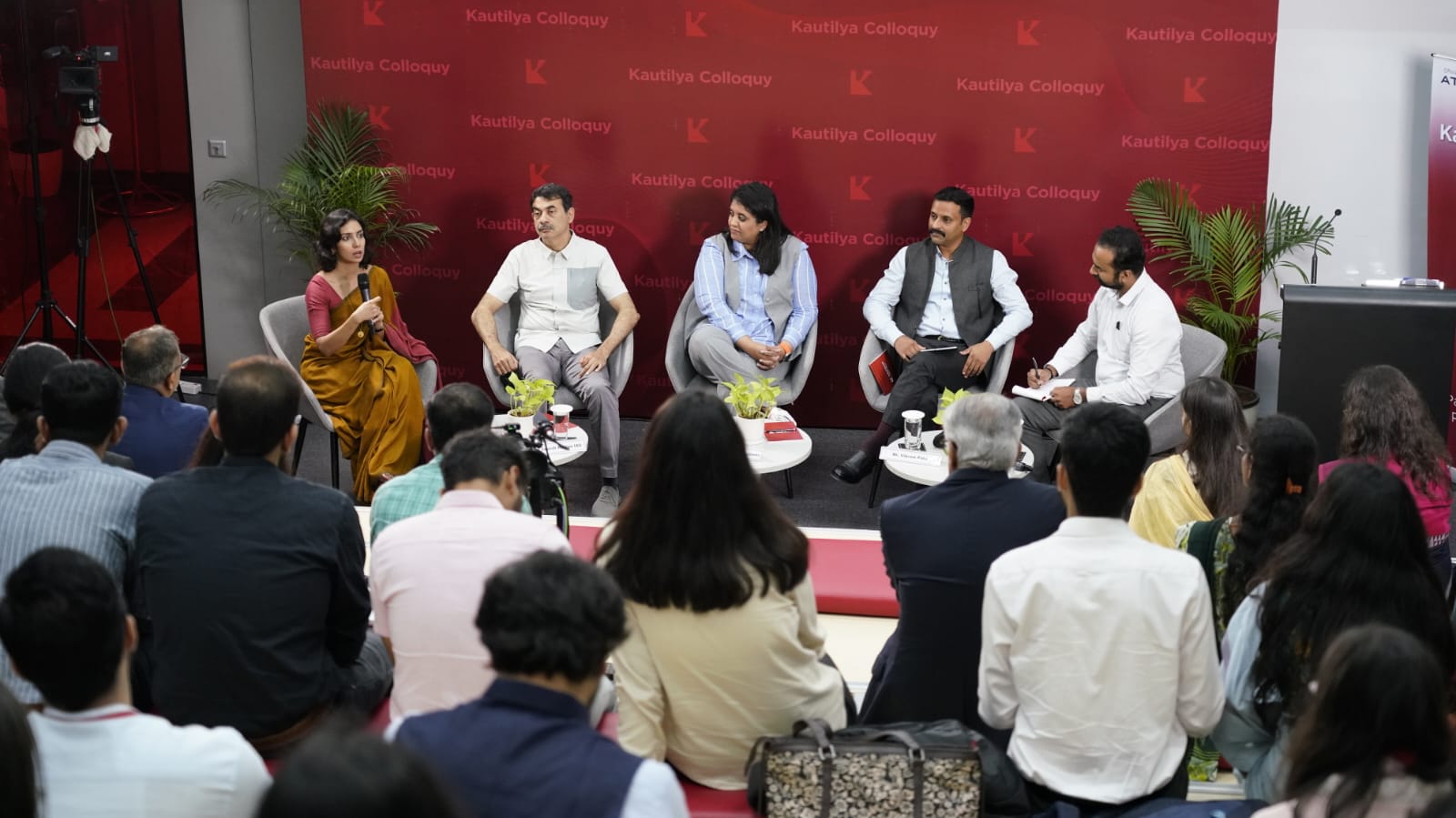
    Moderator: Dr. Vishnu S. Pillai, Assistant Professor at Kautilya

    Panelists: Shri Jayesh Ranjan (IAS), Mr. Vikram Patil, Ms. Saranya Gopinath, and Mrs. Sudeepta Veerapaneni

    Dr. Vishnu S. Pillai, colloquy
    Opening Remarks:

    Dr. Pillai set the stage by highlighting two key themes: the transformative role of technology in governance and the importance of statistics and public policy in shaping effective governance models. He emphasized how digital tools have revolutionized the interaction between governments and citizens, leading to more efficient, transparent, and responsive public services.

    Shri Jayesh Ranjan

    IAS, Special Chief Secretary, Department of ITE&C, and Department of Industries & Commerce, Government of Telangana

    Shri Ranjan shared insights from Telangana's digital governance initiatives and elaborated on Estonia’s experience with maximizing technology for government-to-citizen services. He outlined five key principles guiding digital governance:

    • Touch-free services
    • Paperless processes
    • Citizen-centric design
    • Accessibility from anywhere
    • Secure and seamless integration

    He highlighted three critical areas for advancing digital governance:

    • Gold Standard Digital Infrastructure:

      Successful digital governance requires a robust technological framework that ensures security, scalability, and seamless integration across various government platforms.

    • Resolution of Last-Mile Connectivity:

      Service delivery must reach end users, even in areas with poor internet infrastructure. Shri Ranjan emphasized the importance of public-private partnerships to address connectivity challenges and ensure widespread coverage.

    • Accuracy in Service Delivery:

      It is not enough for services to be accessible; they must also be precise, timely, and citizen-specific. Reducing errors in automated processes and ensuring personalized service delivery are critical to enhancing public trust in digital governance.

    Mr. Vikram Patil

    Director, Digital Literacy & Livelihood Initiatives, NASSCOM Foundation.

    Mr. Patil shared India’s experience with transition from a paper-based bureaucracy to a digital governance model. He described the inefficiencies of the past, characterized by towering piles of files and slow manual processes, and highlighted the milestones that marked the shift to digital governance:

    • Computerized record-keeping
    • Development of government websites
    • Launch of online public services

    This transition, he noted, has transformed the government’s interaction with citizens, making processes more efficient and reducing instances of document loss and tampering.

    Ms. Saranya Gopinath

    Director, Government Affairs and Public Policy, Razorpay India.

    Ms. Gopinath emphasized the critical role of Digital Public Infrastructure (DPI) in governance. She highlighted three core values that should guide DPI development:

    • Inclusiveness
    • Transparency
    • Efficiency

    She explained that DPI can reduce transaction costs, increase market efficiency, and foster innovation, ultimately driving economic growth. Ms. Gopinath advocated for a bottom-up approach to DPI development, focusing on the needs of end users and leveraging public-private partnerships (PPP) for precision-based service delivery.

    She cited India’s Unified Payments Interface (UPI) and the National Payments Corporation of India (NPCI) as successful examples of quasi-governmental bodies revolutionizing digital payments.

    Mrs. Sudeepta Veerapaneni

    Chief Innovation Officer & Partner, Deloitte South Asia.

    Mrs. Veerapaneni discussed the scale and impact of India’s digital transformation, coining the term “TROIKA” to describe the interconnected relationship between:

    • Digital technologies
    • Management
    • Policy

    She emphasized the importance of developing scalable and robust digital infrastructure to meet increasing demands, citing examples like Aadhaar and the CoWIN platform.

    Mrs. Veerapaneni also addressed emerging cybersecurity challenges, including:

    • Data protection
    • Infrastructure security
    • Skill gaps in cybersecurity
    • The need for modernized legal frameworks

    She suggested solutions such as leveraging AI for threat detection, enhancing public-private partnerships, and building capacity through training programs.

    Closing Remarks:

    Dr. Pillai concluded the session by emphasizing the government’s critical role in bridging the digital divide and delivering citizen-centric services. Mrs. Veerapaneni highlighted how India has evolved in providing government-to-citizen (G2C) services and the importance of maintaining a balance between innovation and security in digital governance.

  • 3. Panel Discussion: Women in Public Policy

    Moderator: Dr. Vasudha Katju, Assistant Professor at Kautilya

    Panelists: Dr. Shantala Veigas, Dr. Mujaheed Sheikh, and Dr. Shanta Thoutam
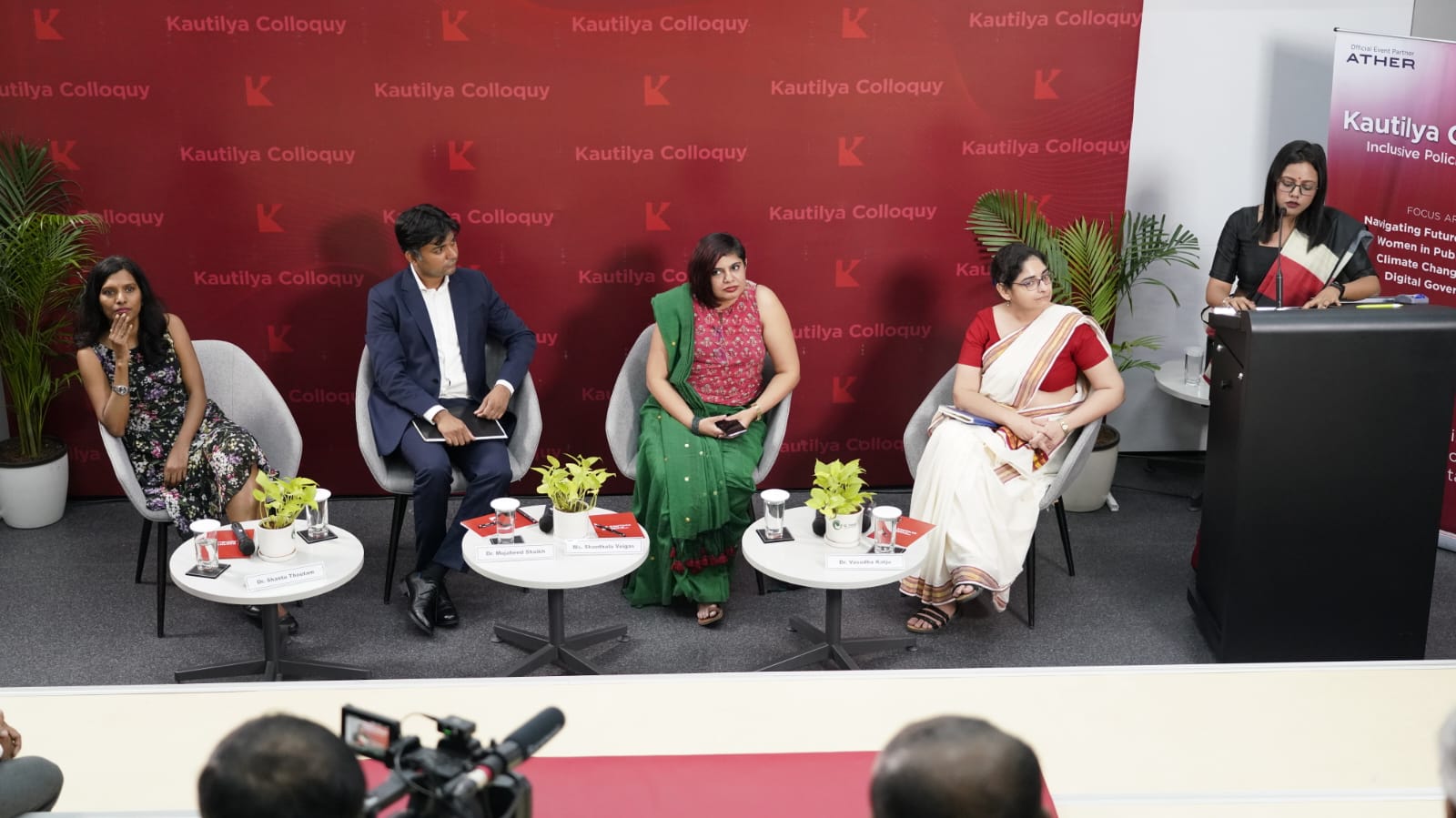
    Vasudha, colloquy
    Opening Remarks:

    Dr. Katju introduced the session by emphasizing the broad scope of women in public policy, focusing on how women both shape and are affected by policy decisions. She highlighted the importance of examining the structural and social barriers that influence women’s participation in policy-making processes.

    Dr. Shantala Veigas

    Associate Director, Head of Partner Relations & Communication, WE Hub, Government of Telangana.

    Dr. Veigas discussed the impact of social and structural factors on women's leadership in policymaking. She stressed the importance of adopting a gender lens in policy decisions to ensure that women’s needs and perspectives are integrated into every stage of policymaking.

    She highlighted the challenges women face in entering traditionally male-dominated sectors, such as manufacturing, where complex machinery often limits their participation. She cited Rane Motors as an example of a company that aims to make 20% of its machines more accessible to women.

    Dr. Veigas also emphasized the need for women to hold decision-making positions and not merely be present in discussions. She pointed out that reward systems should account for the unique physiological and social constraints faced by women.

    In closing, she shared the success story of‘She Creates,’an initiative focused on promoting menstrual hygiene products, and emphasized the need to link such initiatives with economic benefits to ensure sustained support and funding.

    Dr. Mujaheed Sheikh

    Professor, Hertie School

    Dr. Sheikh highlighted the underrepresentation of women in global health leadership, despite the fact that women make up over 70% of the healthcare workforce. He pointed out that less than one-third of UN member countries have female leadership, and women hold only 25% of leadership roles in the healthcare sector.

    He discussed the gender pay gap in healthcare, noting that women often earn significantly less than their male counterparts, even in female-dominated specialties like gynecology.

    Dr. Sheikh emphasized that increasing the representation of women in health leadership could lead to better health outcomes and more equitable policies. He cited Indian healthcare statistics, noting that 80% of nurses and nearly all ASHA workers are women, yet men dominate leadership roles in health ministries and international organizations.

    He concluded by referencing the World Economic Forum’s estimate that achieving gender parity at the current pace will take 134 years, calling for systemic changes to bridge the leadership gap.

    Dr. Shanta Thoutam

    Former Chief Innovation Officer, Government of Telangana

    Dr. Thoutam addressed the low participation of women in political leadership roles, particularly in the Lok Sabha, Rajya Sabha, and state assemblies. She praised the recent Women’s Reservation Bill as a significant step toward increasing women’s representation in governance.

    She emphasized the importance of gender mainstreaming in leadership roles, advocating for policies that not only place women in leadership positions but also empower them to make meaningful contributions.

    Dr. Thoutam highlighted successful programs in Telangana where women hold over 50% of leadership roles in specific sectors. She expressed hope that such models could be replicated nationwide.

    She also challenged policymakers to design sector-specific policies that address the unique needs of women rather than adopting a one-size-fits-all approach.

    Closing Remarks:

    Dr. Sheikh called for narrowing the gender pay gap and increasing women’s representation in leadership roles across sectors. He highlighted the positive impact of women-led social services and public health initiatives.

    Dr. Thoutam reiterated the importance of placing women in leadership positions and designing policies that address their specific needs. She also emphasized the need for effective communication of government policies to eliminate gender biases at the grassroots level.

    Dr. Veigas concluded by advocating for progressive workplace policies, such as providing childcare facilities, and called for continued efforts to challenge entrenched patriarchy within even progressive policies.

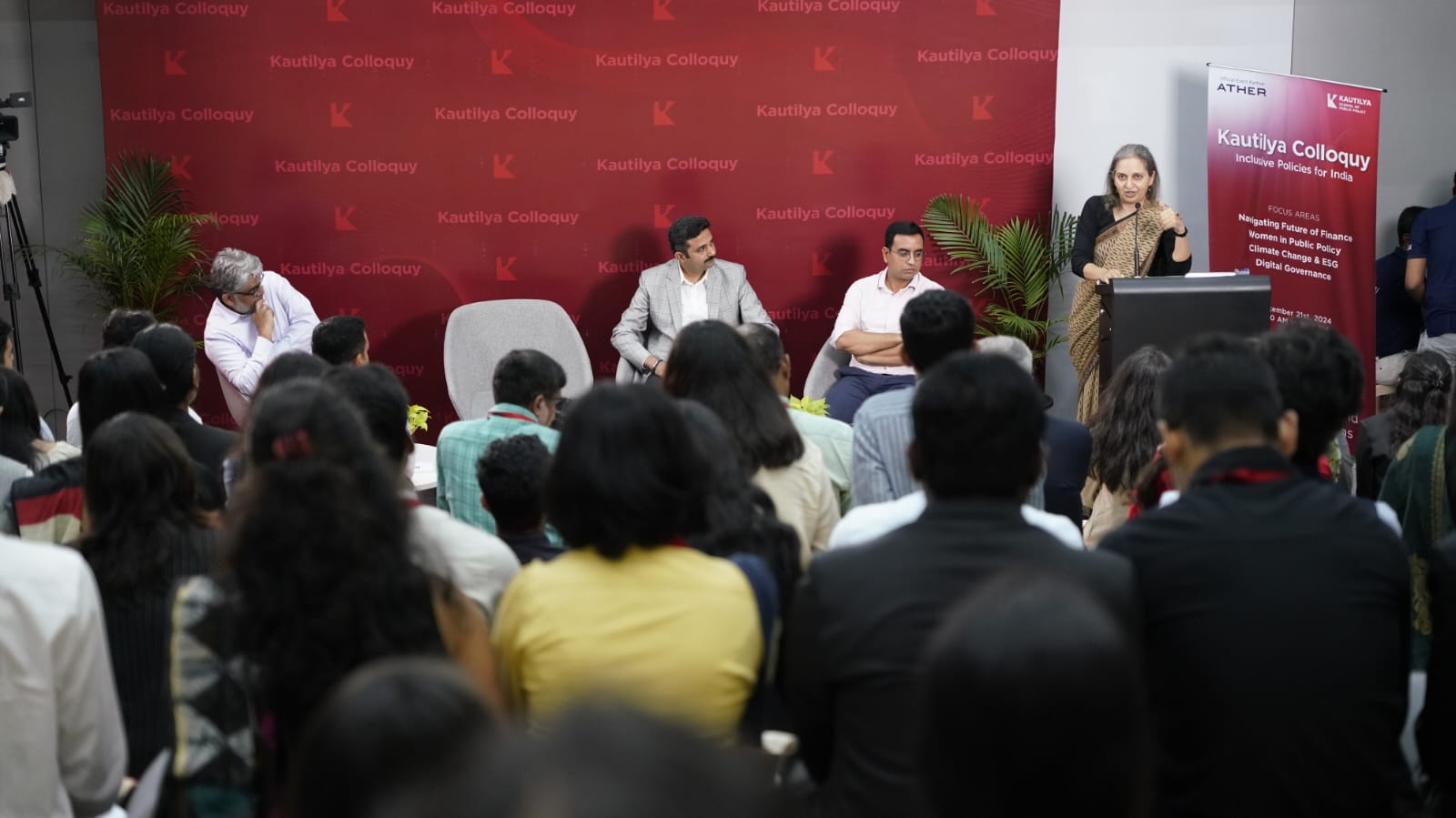
  • 4. Panel Discussion: Climate Change and ESG

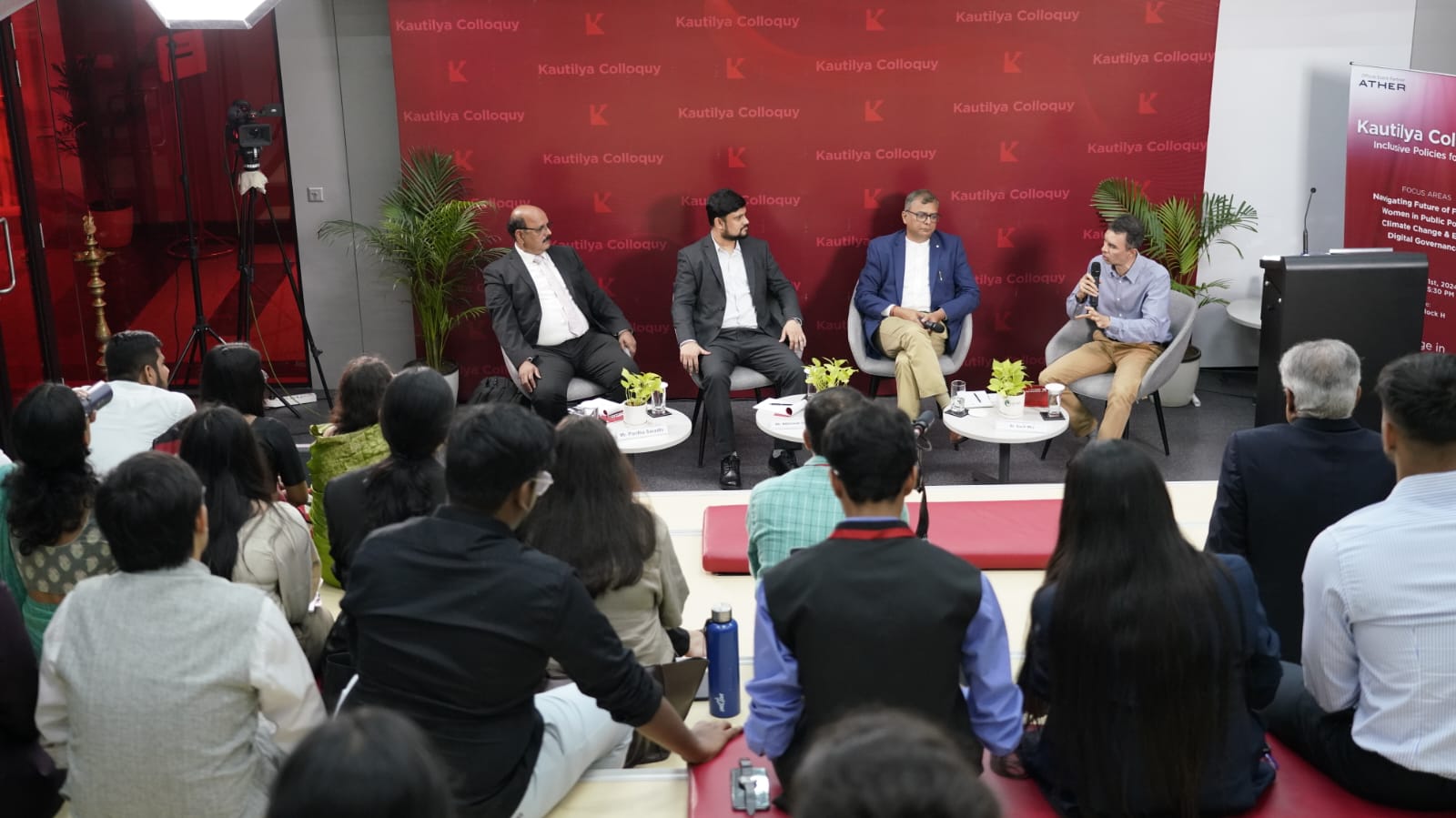
    Moderator: Dr. Sach Wry

    Panelists: Mr. Abhishek Sharma, Mr. Alok Verma, and Mr. A. S. Pardha Saradhi

    Dr. Sach Wry, colloquy
    Opening Remarks:

    Dr. Wry opened the discussion by highlighting the interplay between economic growth, inequality, and global trade in the context of climate change. He emphasized the inherent tension between improving the quality of life and reducing carbon emissions, underscoring the challenge of balancing economic aspirations with environmental sustainability.

    Mr. Alok Verma

    Head of Corporate Strategy and ESG, Ashok Leyland.

    Mr. Verma focused on India’s economic growth trajectory, noting that two-thirds of India’s growth is yet to be realized. He emphasized that achieving this growth sustainably is both a challenge and an opportunity.

    He highlighted India’s commitment to achieving net-zero carbon emissions by 2070 and stressed the importance of doing so cost-effectively, without replicating the Inflation Reduction Act model followed by the United States.

    Mr. Verma expressed concerns about ESG (Environmental, Social, and Governance) reporting being treated merely as a compliance requirement rather than being integrated into core business operations. He called for a shift from compliance-driven ESG to performance-driven ESG, where sustainability becomes a competitive advantage.

    Mr. Abhishek Sharma

    Deputy Vice President, Sambodhi Research.

    Mr. Sharma explored the tension between economic growth and environmental sustainability. He emphasized the need for businesses, especially startups, to embed ESG principles into their operational strategies rather than viewing them as an afterthought or a regulatory obligation.

    He posed a critical question: "How can startups integrate ESG into their core business strategies while maintaining profitability?"

    Mr. Sharma also highlighted the importance of redefining development metrics beyond GDP to include ESG performance indicators, emphasizing that sustainable growth must account for social and environmental impacts.

    Mr. A. S. Pardha Saradhi

    Corporate Governance Expert, Fellow ICSI.

    Mr. Saradhi discussed the role of good governance in achieving net-zero emissions and highlighted the importance of aligning public and private sector efforts with parliamentary governance models.

    He elaborated on the Business Responsibility and Sustainability Reporting (BRSR) framework governed by SEBI’s nine principles, emphasizing its potential to drive sustainable business practices across industries.

    Mr. Saradhi also called for sector-specific ESG benchmarks, noting that industries like steel and automotive face unique challenges in reducing greenhouse gas (GHG) emissions. He suggested that using innovative technologies, such as hydrogen fuel and steel recycling, could help these sectors transition to low-carbon operations.

    Closing Remarks:

    Mr. Verma expressed optimism about India’s ability to meet its ESG goals, emphasizing the importance of innovative solutions and collaborative efforts between the public and private sectors.

    Mr. Saradhi called for gradual but flexible transitions in India’s ESG landscape, highlighting the need for increased engagement from both the government and civil society to achieve long-term sustainability goals.

  • Conclusion:

    As Kautilya Colloquy 2024 concluded, the event left a lasting impact by inspiring participants to think critically about the challenges and opportunities in their respective fields. The discussions underscored the importance of interdisciplinary approaches, innovative solutions, and collaborative efforts to address complex global issues. The insights gained from these sessions are expected to shape future policies and practices, driving positive change in the years ahead.

Contact Us

Organising Committee

  • Aradhana Pandian – (Core Committee, MPP Cohort of 2023-25)
  • Yvonna Tia Steele – (Core Committee, MPP Cohort of 2023-25)
  • Lakshmanan S – (Head of Content team, MPP Cohort of 2023-25)
  • Aarini Mishra – (Head of Marketing team, MPP Cohort of 2023-25)
  • Subhash Gottumukkala – (Head of Operations and Logistics, MPP Cohort of 2023-25)
  • Vivek Kalhan Reshi – (Head of Finance team, MPP Cohort of 2023-25)
  • Oaishik Bhattacharya – (Head of Paper Presentations team, MPP Cohort of 2023-25)
KAUTILYA SCHOOL OF PUBLIC POLICY
GITAM (Deemed to be University)
Rudraram, Patancheru Mandal
Hyderabad, Telangana 502329
Apply Now